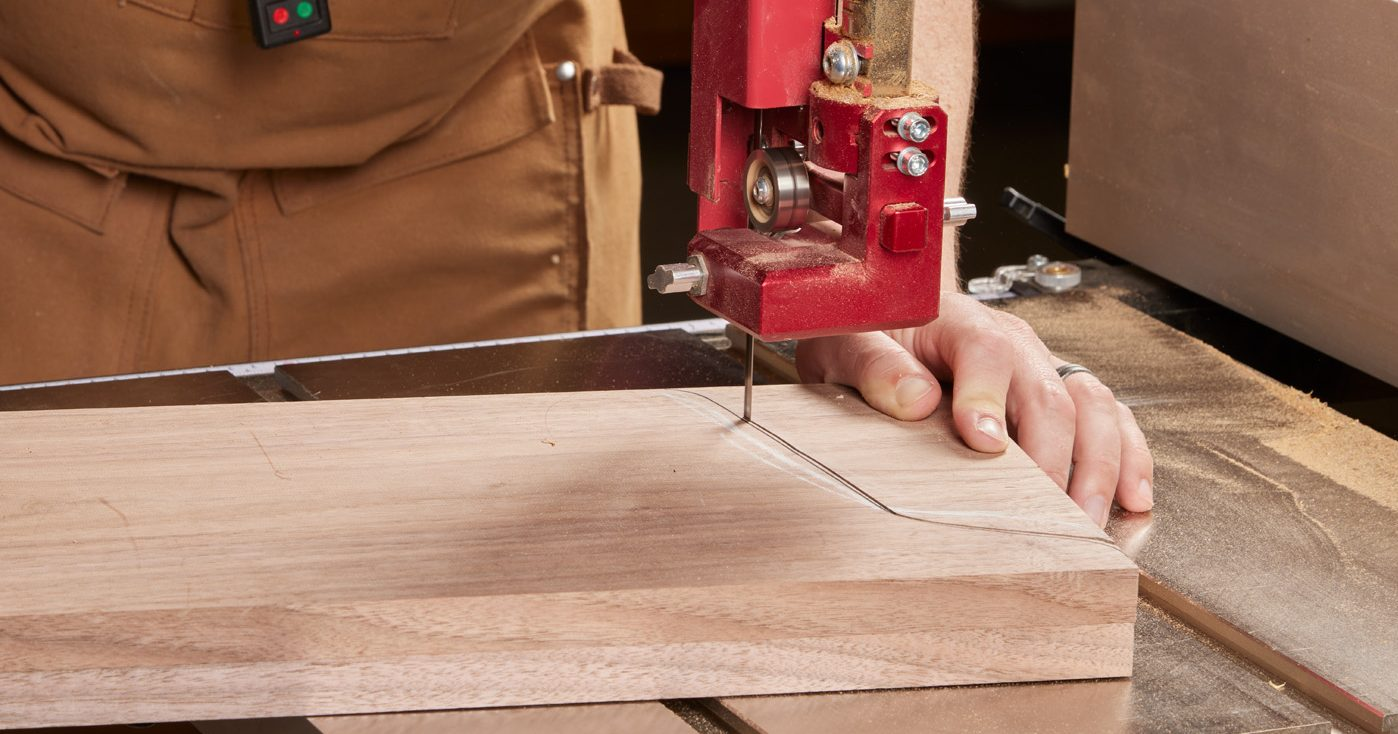
Introduction: Why a 14″ Woodworking Bandsaw Belongs in Every Shop
If you’re serious about woodworking, a quality bandsaw is one of the most versatile and indispensable tools you can own. Unlike a table saw, a woodworking bandsaw cuts with a continuous downward blade motion that virtually eliminates kickback — making it safer and more forgiving for a wide range of cuts. Whether you’re resawing thick slabs of hardwood, cutting tight curves in a chair leg, or slicing bookmatched veneers, a 14-inch bandsaw hits the sweet spot between cutting capacity, footprint, and price.
In this review, we put the top deluxe 14″ woodworking bandsaws through their paces — testing setup ease, blade guide systems, resawing power, dust collection, and overall build quality — so you can make a confident decision before spending your hard-earned money.
What Makes a “Deluxe” 14″ Woodworking Bandsaw Different?
Not all 14″ bandsaws are created equal. Entry-level models cut corners on frame material, blade guides, and motor power. A deluxe woodworking bandsaw typically includes:
- Cast iron frame and wheels for reduced vibration and longer blade life
- Micro-adjustable bearing guides (above and below the table) for blade precision
- Resaw capacity of 12–13.5 inches — often without needing an add-on riser block
- 1.25–1.75 HP motor capable of resawing wide maple and dense hardwoods without bogging down
- Dust collection ports (4″) for a cleaner shop and safer work environment
- Quick-release blade tensioning lever for faster blade changes
- Rip fence with micro-adjuster for precision straight cuts
These features separate a capable, long-lasting shop tool from a frustrating weekend disappointment.
Top Deluxe 14″ Woodworking Bandsaws Reviewed
1. JET JWBS-14DXPRO — Best Overall Woodworking Bandsaw

The JET JWBS-14DXPRO is widely regarded as one of the finest 14″ woodworking bandsaws on the market, and it earns that reputation. Its massive cast iron frame provides rigidity without a riser block — giving you full resaw capacity right out of the box. The high-tension spring system handles wide, stiff blades with ease, making it a true resawing powerhouse.
Standout features:
- Dual-speed poly-V belt drive (two blade speeds for different materials)
- Precision blade guide system with upper and lower ball bearing guides
- Tool-free upper guide adjustments via large knurled knobs
- Front-slotted table for easier blade installation — no twisting required
- Large cast iron table (360 sq. in.) with robust trunnion system
Setting up the JWBS-14DXPRO is a pleasure. The lower guide bearings are easy to reach with both hands, the rear thrust bearing has a front-facing control knob so you never have to tilt the table to adjust it, and blade tensioning uses a three-position quick-release lever at the back. When it fires up, this bandsaw has no trouble pushing through wide maple while leaving almost no dust inside the lower case — thanks to two long 4″ dust ports that hook directly to your shop vac or dust collector.
Who it’s for: Serious hobbyists and semi-professionals who want a woodworking bandsaw that’s built to last and requires minimal fussing.
2. Powermatic PWBS-14CS — Premium Woodworking Bandsaw with Best-in-Class Fit & Finish

The Powermatic PWBS-14CS sits at the top of the price range, but you feel the difference the moment you start assembling it. The fit and finish is noticeably above the competition — this is a woodworking bandsaw built to impress even the most discerning craftsman.
Standout features:
- 1.75 HP motor with balanced, nine-spoke cast iron wheels for smooth operation
- Micro-adjustable dual bearing blade guide system above and below the table
- Extra-large two-piece cast iron table (15″ × 20″ total work surface) that tilts 45° right and 10° left
- Carter quick-release tension lever for fast blade changes
- Built-in 60-watt halogen lamp that illuminates the blade and workpiece
- Chip blower keeps the cut line visible throughout the cut
- Two oversize trunnions below the table keep heavy stock from shifting the tilt angle
- Easy-to-read tension gauge calibrated in blade-width increments
The PWBS-14CS delivers a premium woodworking bandsaw experience. Its infrastructure — from the oversize trunnions to the poly-V belt drive — is clearly engineered for heavy-duty, long-term cutting. If you plan to resaw wide boards regularly and want a machine that will outlast the rest of your shop equipment, this saw justifies its price.
Who it’s for: Dedicated woodworkers and small shop professionals who demand the best and are willing to pay for it.
3. Rikon 10-325/10-326 Deluxe — Best Value Woodworking Bandsaw

If you want a 14″ woodworking bandsaw that balances performance, features, and price without sacrificing build quality, the Rikon 10-325/10-326 Deluxe is the pick. It’s won “Best Bet” honors multiple times in head-to-head bandsaw tests — and for good reason.
Standout features:
- 1.5 HP motor with two speeds (1,445 and 2,950 FPM)
- 13-inch resaw capacity without a riser block
- 16″ × 20.5″ cast iron table on a one-piece trunnion for exceptional stability
- Micro-adjustable bearing blade guides
- Quick-release blade tension lever (horizontal operation for easy access)
- Front-slotted table and hinged blade guard for tool-free blade installation
- Viewing windows in the top case for tracking adjustments
- Enclosed cabinet stand with storage for extra blades and jigs
- Heavy-duty rip fence and resaw bar included
- 4″ dust port
The Rikon’s guide bearing knobs are forward-facing, which means you never need to tip the table to reach them — a thoughtful design choice that serious woodworkers will appreciate. Blade installation is quick and intuitive, and the saw tracks well with minimal fussing. The cast iron wheels (not aluminum) are a key advantage at this price point; they run smoother and quieter than lighter alternatives.
Common criticisms: The rip fence draws mixed reviews — some users find it adequate, others prefer upgrading to an aftermarket fence like the Kreg Precision Bandsaw Fence. The included manual is light on detail.
Who it’s for: Weekend woodworkers and serious hobbyists who want a capable, well-built woodworking bandsaw without the premium price tag.
4. Grizzly G0555LX Deluxe — Best Woodworking Bandsaw for Heavy-Duty Use

The Grizzly G0555LX Deluxe is a popular choice for woodworkers who want a shop-grade bandsaw at an accessible price. With a welded steel frame (more rigid than some cast iron frame saws at this size), it handles wide blades and heavy resawing tasks with authority.
Standout features:
- Welded steel frame for superior rigidity with wider blades (3/4″+)
- 1.5 HP motor
- Geared tilting mechanism with polished handle for smooth table angle changes
- Ceramic blade guides for precise blade support and reduced heat
- Large throat opening with milled aluminum insert
- 4″ dust port
The Grizzly is a workhorse woodworking bandsaw that rewards proper setup. Grizzly’s customer support reputation is strong, which matters for a machine you’ll rely on for years.
Who it’s for: Woodworkers who frequently use wider blades or plan to add a riser block and want a frame that can handle the increased tension.
How to Choose the Right Woodworking Bandsaw: Key Buying Factors
Motor Horsepower
For a 14″ woodworking bandsaw, aim for at least 1.5 HP if resawing is a priority. A 1 HP motor may bog down in thick hardwood; 1.75 HP handles it comfortably. If you’ll be using the saw primarily for curves and lighter work, 1–1.25 HP is fine.
Resaw Capacity
This is the maximum height (thickness) of wood you can cut — arguably the most important spec on a woodworking bandsaw. Most deluxe 14″ saws offer 12–13.5 inches of resaw capacity without a riser block. If you’re splitting wide boards for veneers or book-matched panels, prioritize this number.
Blade Guide System
Bearing guides (ball bearing) are the standard on deluxe models and offer excellent blade support with minimal friction. Some premium saws use ceramic guides, which can handle higher heat and last longer with heavy use. Either system works well when properly adjusted.
Frame Material
Cast iron and welded steel are both excellent. Cast iron dampens vibration well for standard 1/2″ blades. Welded steel frames are stiffer and handle the higher blade tension required when using wide (3/4″+) resaw blades.
Table Quality
Look for a large, flat cast iron table (ideally 15″ × 15″ or larger) that tilts a full 45° to the right. A one-piece trunnion system keeps the table rock-solid under heavy workpieces.
Ease of Blade Changes
Features that make blade changes painless include: a front-slotted table (vs. a side-slotted table), a hinged upper blade guard, and a quick-release tensioning lever. These save minutes every time you switch blades.
Dust Collection
A 4″ dust port (or dual 4″ ports) is ideal for connecting a shop vac or dust collector. Enclosed cabinet stands also capture falling debris more effectively than open-frame designs.
Woodworking Bandsaw Setup Tips for Best Performance
Getting peak performance from your woodworking bandsaw is about proper tuning, not just buying the right model. Before your first cut:
- Tension the blade correctly — use the built-in tension gauge or the “flutter test” (tap the blade; it should ring, not flap). Never leave a blade tensioned when the saw is idle for extended periods.
- Set the blade guides — upper and lower guides should be just behind the blade’s gullets, with bearings barely touching the blade sides (not squeezing). The thrust bearing should sit 1/64″ behind the blade.
- Check blade drift — run a test cut and note whether the wood naturally drifts. Adjust the fence angle or use a drift bar to compensate.
- Choose the right blade for the job — a 3 TPI hook-tooth blade excels at resawing; a 6 TPI blade handles general curves; a 14 TPI blade is for fine scroll work. Blade selection dramatically affects cut quality.
- Connect dust collection — even a basic shop vac connected to the lower port keeps sawdust from packing around the lower flywheel, which affects tracking over time.
Woodworking Bandsaw vs. Table Saw: When to Use Each
A woodworking bandsaw and a table saw are complementary, not competing, tools:
| Task | Better Tool |
|---|---|
| Resawing wide boards | Bandsaw |
| Ripping long narrow stock | Table saw |
| Curved cuts | Bandsaw |
| Crosscuts | Table saw |
| Cutting irregular shapes | Bandsaw |
| Dados and rabbets | Table saw |
| Safer for awkward stock shapes | Bandsaw |
The bandsaw’s downward cutting action and narrow blade kerf also mean less material waste when slicing valuable hardwood — a real advantage when working with figured maple, walnut, or cherry.
Frequently Asked Questions
What size bandsaw is best for woodworking? A 14-inch woodworking bandsaw is the most popular size for home shops and small professional shops. It offers enough resaw capacity (12–13.5″) for most lumber, fits reasonably in a garage or workshop, and is available in a wide range of price points from reputable brands.
How much horsepower do I need in a woodworking bandsaw? For general woodworking — curves, joinery, and occasional resawing — 1 to 1.25 HP is sufficient. For heavy resawing of wide, dense hardwood, look for 1.5 to 1.75 HP.
Do I need a riser block on a 14″ bandsaw? Not necessarily. Several deluxe 14″ woodworking bandsaws (including models from Rikon and JET) offer 12–13″ of resaw capacity without a riser block, thanks to taller frame designs. A riser block is only needed if the standard frame limits your capacity and you regularly need to cut stock wider than 6–7 inches.
How often should I change bandsaw blades? Blade life varies with use and material, but a quality blade used for general woodworking typically lasts 6–12 months of regular use. Signs it’s time to replace: increased cutting effort, burning smell on cuts, visible blade damage, or inability to track straight.
What’s the best bandsaw blade for resawing? A 3 TPI (teeth per inch), hook-tooth, wide blade (1/2″ to 3/4″) is the standard recommendation for resawing on a woodworking bandsaw. Wider blades resist drift better; fewer teeth per inch clear chips faster in thick stock.
Final Verdict
For most woodworkers, the Rikon 10-325/10-326 Deluxe delivers the best combination of features, build quality, and value in a 14″ woodworking bandsaw. If budget isn’t a constraint and you want the ultimate experience, the JET JWBS-14DXPRO or Powermatic PWBS-14CS will reward you with tool-free adjustments, exceptional power, and build quality that lasts decades.
Whichever model you choose, a quality deluxe 14″ woodworking bandsaw will transform what you can accomplish in your shop — opening up resawing, curved work, and precision cuts that simply aren’t possible with any other tool.
Last updated: June 2026